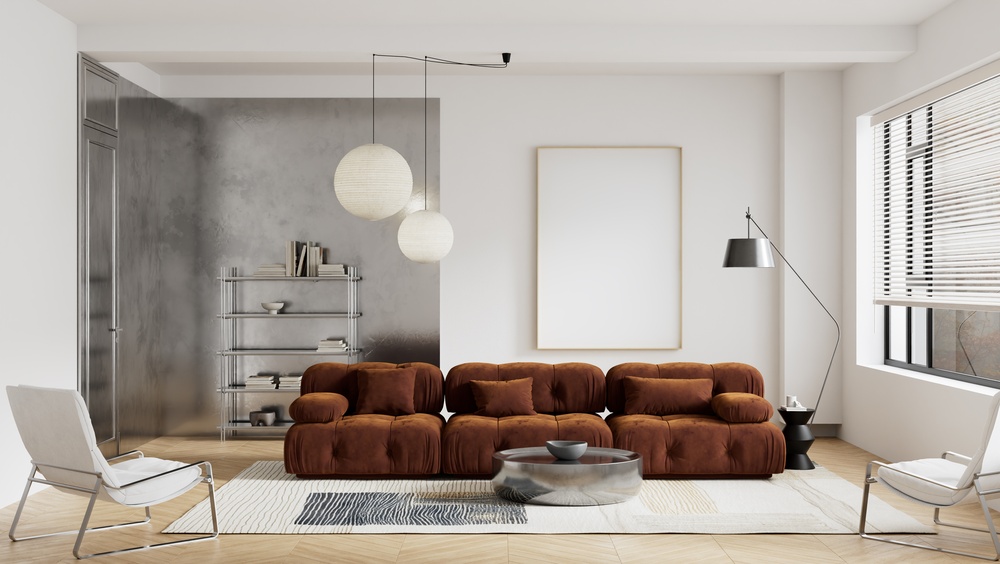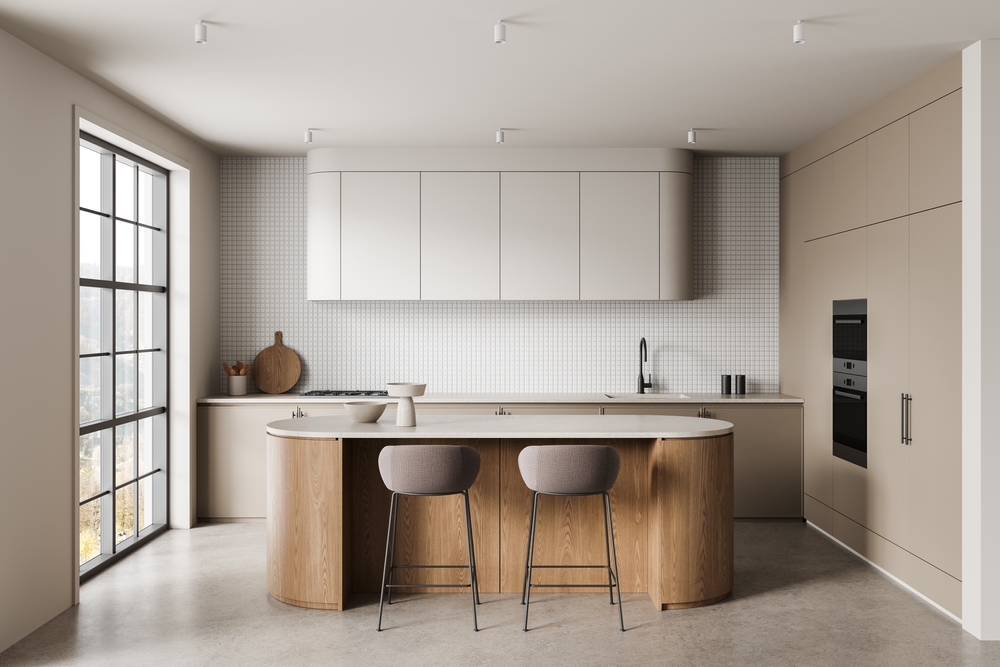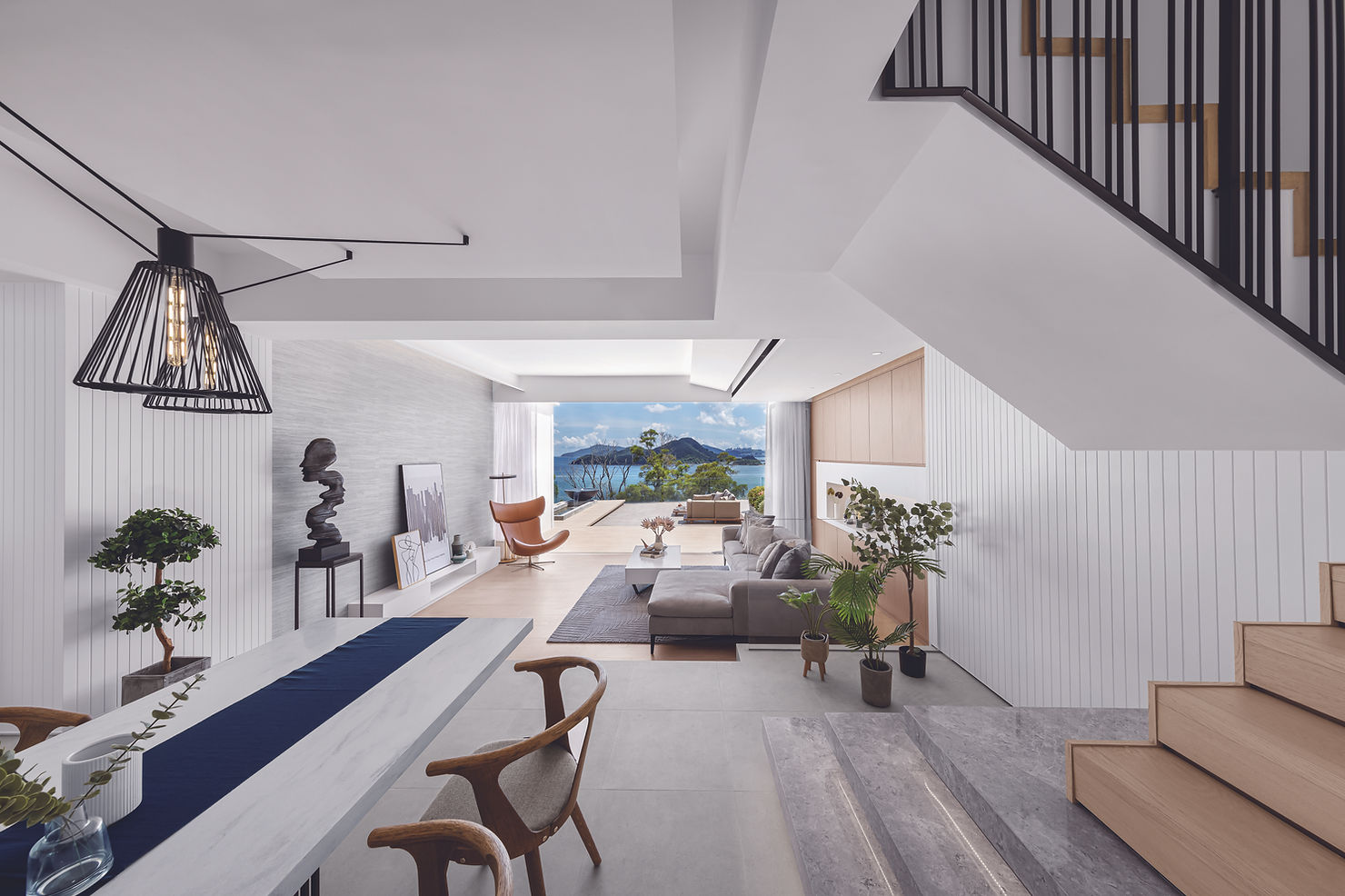
Picture a home where every object has a reason to be there, every surface has room to breathe, and the overall feeling is one of quiet, unhurried calm. That is the world of Japandi, a design philosophy born from the meeting of two cultures that, despite being worlds apart geographically, arrived at strikingly similar conclusions about what makes a home worth living in.
Rooted in both Japanese craftsmanship and Scandinavian simplicity, Japandi interior design has earned its place as one of the most enduring approaches in contemporary design. It is not about following a trend but about creating a space that genuinely feels good to be in, day after day.
Where Does Japandi Come From?
The word “Japandi” is a portmanteau of “Japanese” and “Scandi.” In the mid-1800s, following Japan’s opening to outside trade, Scandinavian designers were among the first Westerners to engage with Japanese aesthetics. This exchange left early traces in ceramics, furniture, and architecture. Japanese and Scandinavian design traditions share core values: respect for natural materials, restrained ornamentation, and a deep sense of calm in daily life.
Two philosophies shape the Japandi character most visibly: wabi-sabi, the Japanese appreciation of beauty in imperfection and natural ageing, and hygge (pronounced “hoo-guh”), the Scandinavian concept of cosiness and ease. Together, they create something neither tradition achieves alone.
7 Key Elements of Japandi Style Interior Design
1. Neutral, Earthy Colour Palette
Soft whites, warm creams, sandy beiges, and muted sage greens form the foundation, with deeper tones like charcoal used sparingly as accents. Unlike purely Scandinavian palettes, which lean cool, Japandi runs warm, designed to recede quietly so texture and form can lead.
2. Natural Materials, Honestly Used
Wood is central. Light varieties such as pine and birch reflect the Nordic side, while darker options like walnut and teak carry the Japanese sensibility, and Japandi style interior design typically uses both. Bamboo, stone, linen, rattan, and raw metals like brass and bronze also feature, all chosen for longevity rather than trend.
3. Functional Minimalism
Every object earns its place: the guiding question is whether something is useful, genuinely loved, or ideally both. Low-profile furniture and hidden storage keep surfaces clear and the atmosphere grounded. It is minimalism that feels liveable, not clinical.
4. Considered Craftsmanship
Japanese Scandinavian design holds craftsmanship as a shared value. Japanese traditions prize precision and material honesty, while Scandinavian design holds that well-made objects are inherently beautiful. Handmade and artisanal pieces carry real weight here: a hand-thrown bowl, a woven basket, or a piece of joinery that quietly shows its maker’s skill.
5. Layered Texture
With colour restrained and ornamentation minimal, texture becomes the primary decorative tool. Smooth plaster against rough timber, a linen throw against polished stone, a jute rug beneath a clean wooden bench — contrasting surfaces are layered with intention to create warmth without visual noise.
6. Warm, Considered Lighting
Natural light is maximised through sheer curtains, polished surfaces, and well-placed mirrors. For artificial lighting, the approach is warm and layered. Ambient sources set the overall mood, while accent lighting adds depth. Paper or washi lanterns, a nod to Japanese craft, diffuse light gently and add quiet sculptural character.
7. A Living Connection to Nature
Both Japanese and Scandinavian design traditions treat the boundary between interior and exterior as something to soften, not reinforce. From bonsai to peace lilies, houseplants add life and greenery, while natural materials like wood, stone, and bamboo extend that connection into the structure of the room itself.
How Japandi Differs from Pure Scandinavian or Japanese Design
Pure Scandinavian interiors lean toward cooler palettes, lighter woods, and a stronger emphasis on hygge-inspired comfort. Meanwhile, pure Japanese interiors tend to go for darker woods, more sculptural forms, and a deeper expression of Zen restraint.
Japandi sits between both — warmer than Scandinavian, softer than Japanese, and the only interior design style that combines light and dark woods as a matter of course. Where one tradition is cosy, and the other is contemplative, Japandi holds both qualities in balance.
Ready to Explore Japandi Interior Design?
The appeal of Japandi interior design lies in its roots: two cultures that arrived, independently, at the same conclusion. A well-made, well-edited home is simply a more liveable one. The elements discussed are not a checklist but a vocabulary, one that can be introduced gradually and adapted to how you actually live.
Japanese Scandinavian design rewards thoughtfulness over impulse, and quality over quantity. If you are ready to bring that considered approach into your own home, our creative team at ARTSTATT Design would love to hear from you. Contact us today to get started!
Frequently Asked Questions
Is Japandi interior design suitable for small apartments?
Japandi is particularly well-suited to compact spaces. Its low-profile furniture, hidden storage, and warm-neutral palette all work to make rooms feel more open and cohesive. Light-maximising techniques, such as mirrors and polished surfaces, amplify this further.
What is the difference between Japandi and wabi-sabi design?
Wabi-sabi is a Japanese philosophical concept that informs Japandi but is not a design style in itself. Applied alone, it tends toward the rustic and unfinished. Japandi integrates the spirit of wabi-sabi alongside Scandinavian hygge to produce interiors that are polished and liveable while still carrying authentic warmth.
How do I begin incorporating Japandi design without a full renovation?
Start by editing rather than buying. Clear non-essential objects from visible surfaces, swap synthetic textiles for linen or organic cotton, and shift to warm-white bulbs. Adding one or two houseplants can also shift a room’s atmosphere toward a Japandi sensibility immediately.