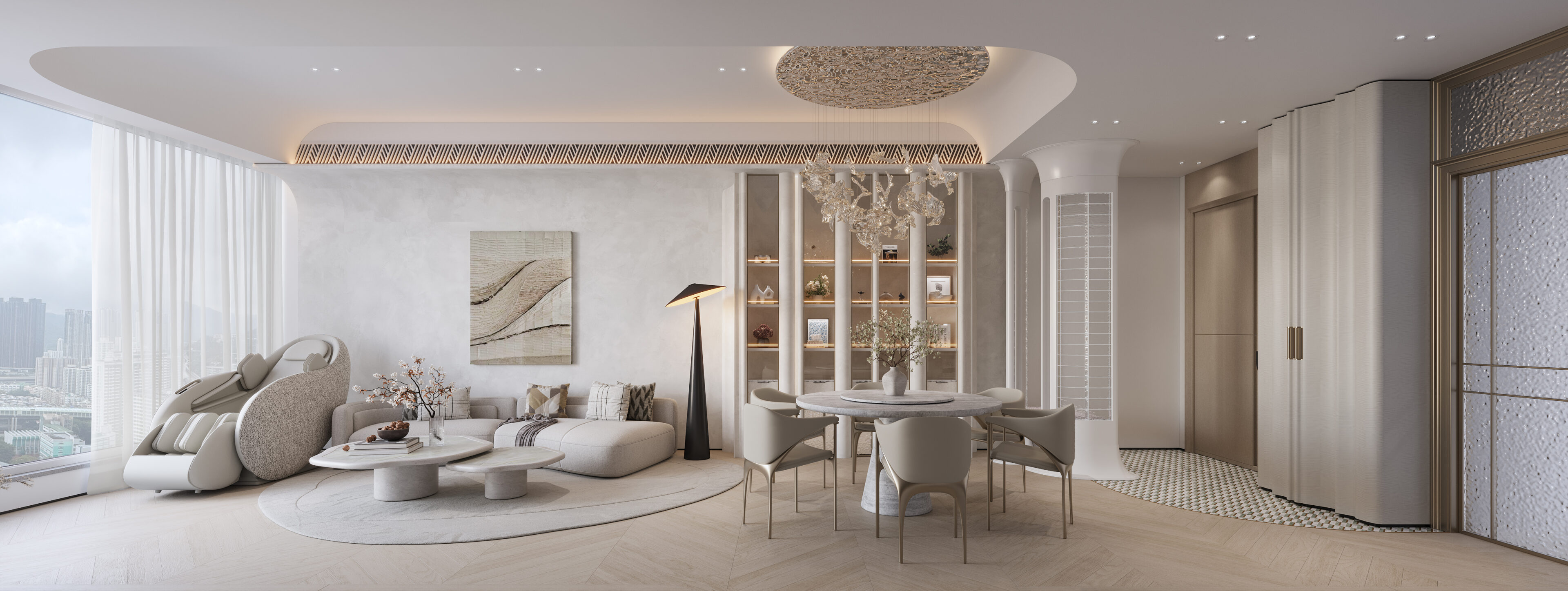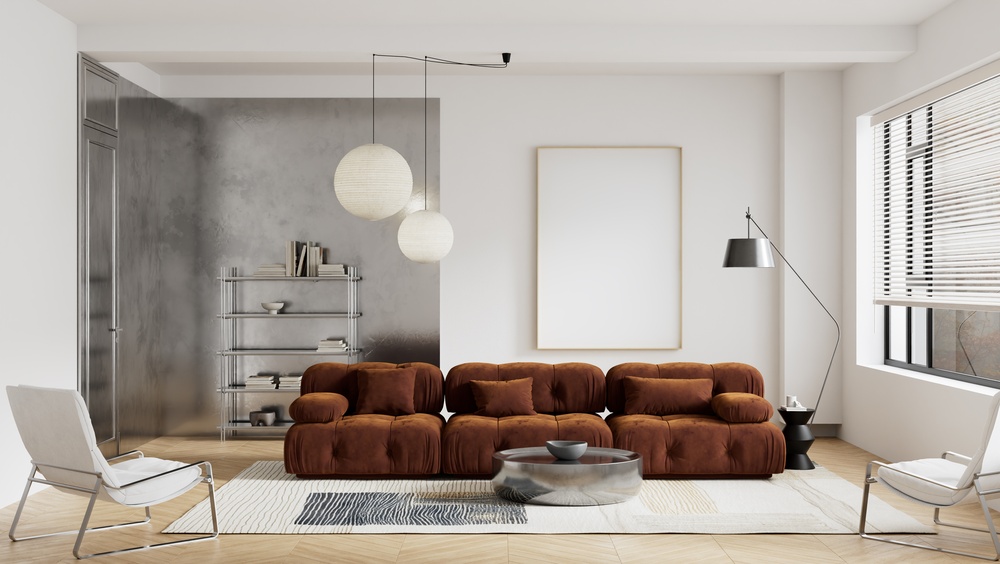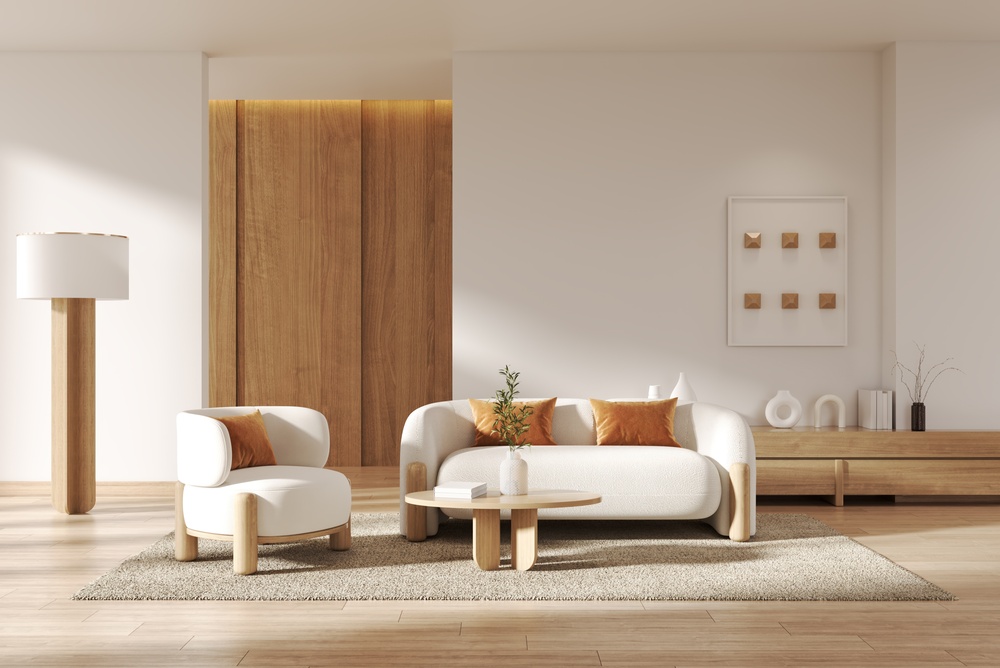
Minimalism has long carried a certain reputation — cool, precise, and just a little unwelcoming. But warm minimalism is a different proposition entirely, one where the discipline of a pared-back space meets the comfort of a home that actually invites you to settle in. Simplicity and warmth, it turns out, are not in opposition.
The result is a space that breathes without feeling empty, and that’s considered without feeling cold. In this article, we’ll cover what warm minimalist design looks like in practice and how to build it, layer by layer, in your own home.
What Sets Warm Minimalism Apart
Traditional minimalism, at its most stripped back, can veer into the austere. Warm minimalism corrects for this by introducing softness not through more objects, but through more considered ones. The philosophy stays the same: only what belongs. The difference lies in what belongs and how it feels.
A few characteristics that define the approach:
- A warmer colour palette: Creams, taupes, sand, and soft terracotta replace cool whites and stark greys, creating a backdrop that feels settled rather than clinical.
- Natural, tactile materials: Timber, linen, stone, and rattan do more than look the part. They bring a sensory quality to a space that manufactured finishes rarely replicate.
- Organic shapes: Furniture and objects with gentle curves soften the precision of a minimal room, making it feel approachable instead of rigid.
- Intentional layering: Depth is built through texture and tone rather than quantity. The goal is richness minus accumulation.
The Building Blocks of Warm Minimalist Design
Colour
The shift from cool to warm begins with the palette. Where stark minimalism reaches for brilliant white, warm minimalism favours off-whites, sandy neutrals, and muted earthy tones that hold light differently throughout the day. These shades create a sense of ease that cooler tones rarely achieve.
Texture
In spaces with fewer objects, texture carries significant weight. Layering linen cushions against a timber shelf or placing a jute rug beneath a low-profile sofa introduces visual richness without adding clutter. This is where minimalist interior design finds its warmth, not in what’s added but in how surfaces feel.
Lighting
The amount of light that flows into the room shapes everything. Warm-toned bulbs in the 2,700K to 3,000K range cast a softness that cooler lighting simply doesn’t, and maximising natural light through sheer curtains or unobstructed windows makes a minimalist home design feel genuinely alive. Layered lighting, like ambient, task, and accent, adds dimension to rooms that might otherwise feel flat.
Furniture
When there are fewer pieces in the room, each one carries considerably more weight. Warm minimalism calls for furniture with natural finishes and gentle, organic profiles. A rounded timber dining table or a low linen sofa does far more for a space’s atmosphere than anything sharp-edged or high-gloss.
Greenery
Plants bring something no material can replicate: life. A single well-placed fiddle-leaf fig or a cluster of smaller plants on a windowsill softens the edges of a minimal room and introduces a quiet, organic energy. In minimalist style interior design, greenery functions less as decoration and more as a grounding element.
Common Missteps to Avoid in Minimalist Style Interior Design
Warm minimalism looks effortless when done well, but there are a few pitfalls worth knowing before you begin:
- Over-stripping the space. Removing too much leaves a room without personality. A home should still feel lived in. Warmth comes from the right things staying, not from everything going.
- Prioritising form over comfort. A beautifully spare room that nobody wants to sit in has missed the point. Seating should be genuinely comfortable; surfaces should be functional.
- Ignoring acoustics. Hard floors, bare walls, and minimal soft furnishings can make a space feel echoey and cold. Rugs, curtains, and upholstered pieces help absorb sound and make a room feel warmer without adding visual weight.
- Mistaking tidiness for design. A clutter-free room is a good starting point, not a finished space. Warm minimalist design requires active curation, deciding what stays and why, and that’s a fundamentally different exercise from simply clearing surfaces.
Bringing Warm Minimalism to Your Home
A well-executed warm minimalist home has a particular design quality that’s difficult to articulate but immediately felt — you walk in and something in you settles. The space doesn’t demand your attention; it simply holds it quietly. That’s the standard worth aiming for, and it’s achievable in almost any footprint, including the compact, high-rise homes that define so much of Hong Kong living.
For those ready to move from concept to reality, ARTSTATT Design brings over 18 years of experience crafting spaces that are refined without being cold, and minimal without sacrificing the feeling of home.Get in touch with our team and let’s talk about what your home could feel like.
Frequently Asked Questions
Can warm minimalism work in a home with children or pets?
Absolutely! The key lies in material selection. Natural timber, stone, and performance-grade textiles can all fit comfortably within a warm minimalist palette while standing up to the demands of daily family life.
How do I incorporate sentimental or decorative objects without disrupting a minimalist space?
The principle is to display with intention rather than elimination. Grouping a small number of meaningful objects on a single shelf or surface gives them presence without creating visual noise. Rotating pieces seasonally is another way to honour what you love without letting it accumulate.
How do I know when a warm minimalist space is truly finished?
If removing one element would make the room feel incomplete and adding one more would make it feel crowded, you’re likely there. Warm minimalism is about finding that precise point of balance: enough to feel considered, nothing more than what the space genuinely needs.