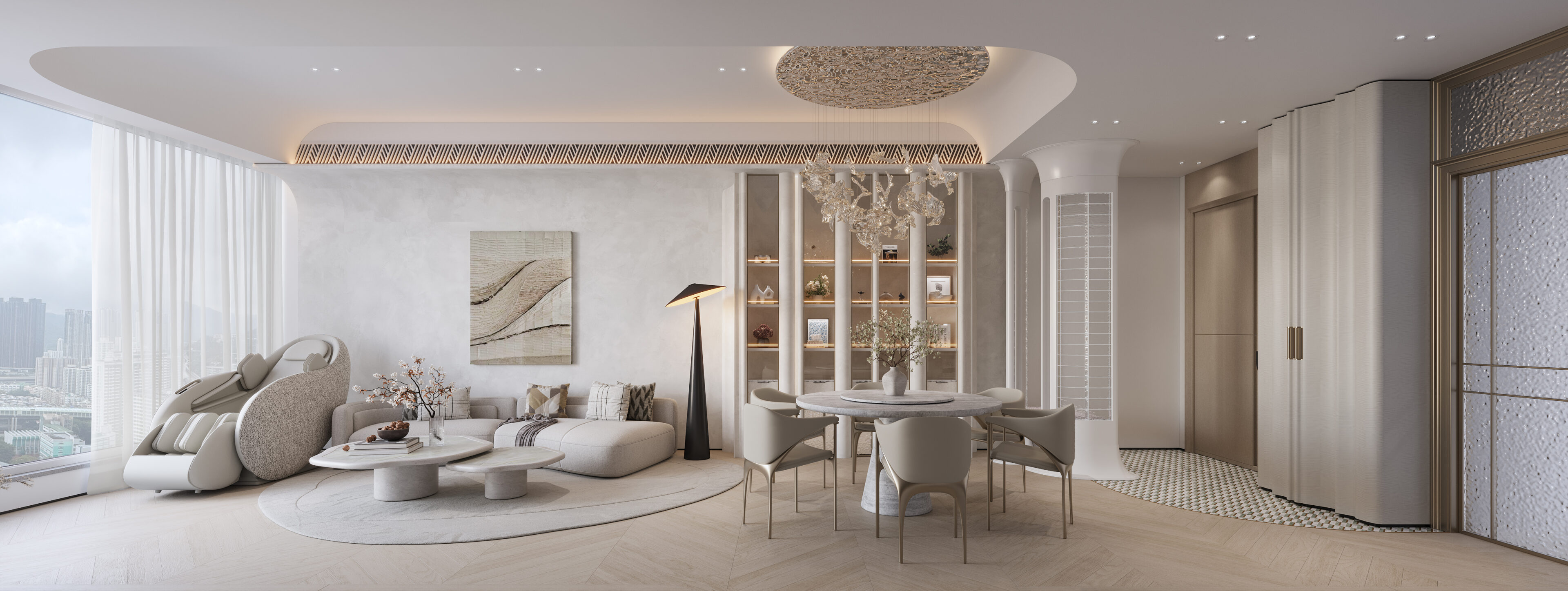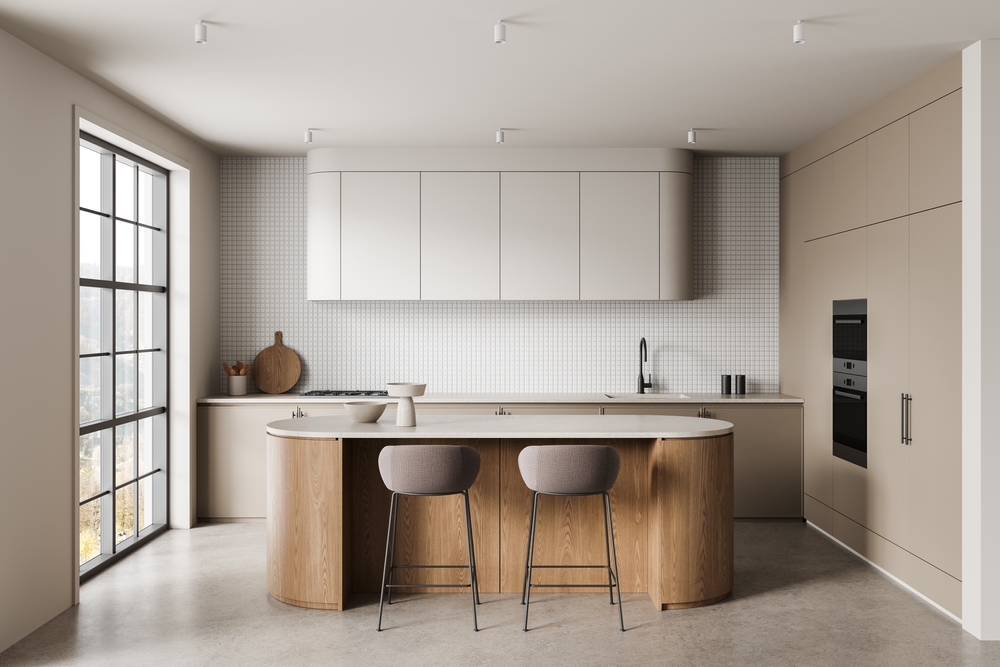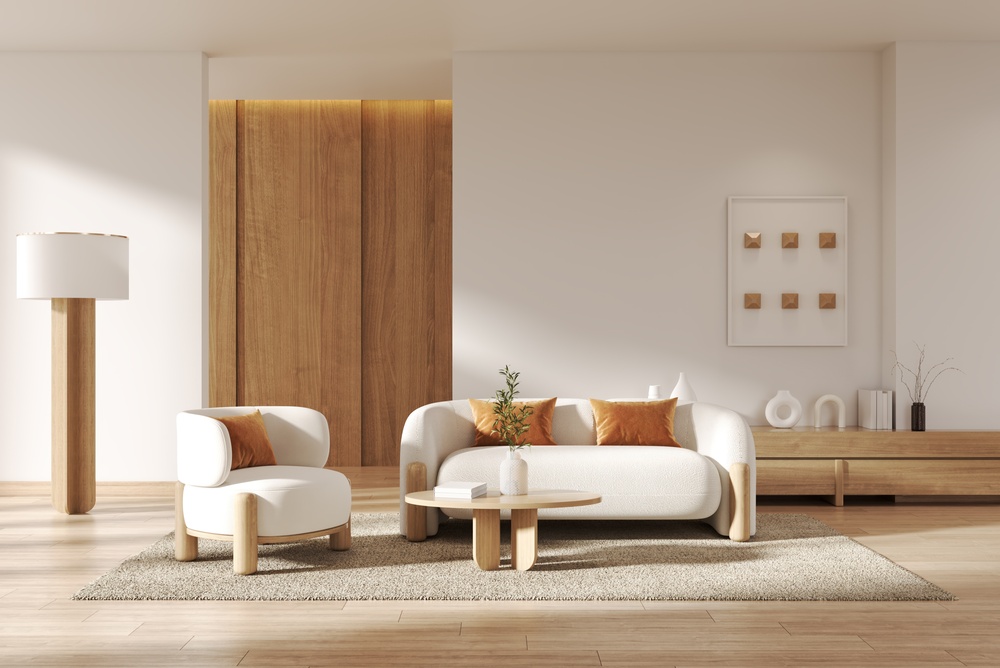
Your home tells a story before you say a word, and before you can articulate that story, it helps to speak the language. Interior decorating styles give that language shape, offering a framework to translate instinct into something far more intentional.
In case you’re refreshing a single room or planning a full renovation, a working knowledge of home design styles moves you from “I’ll know it when I see it” to something far more precise. In this guide, we’ll break down the major styles shaping interiors today so you can approach any design decision with genuine clarity.
Why Your Choice of Style Matters More Than You Think
Style does far more than determine how a room looks, as it shapes how a room feels and functions. Before landing on an interior design style, it’s worth considering the following:
- Mood: The right style sets the emotional tone of a space, whether that’s calm and restorative or lively and social.
- Functionality: Style influences layout, storage priorities, and the materials you choose, all of which affect day-to-day living.
- Longevity: A style that genuinely suits how you live will hold up far better over time than one chosen purely for visual appeal.
A Look at the Most Popular Interior Design Styles Today
Minimalist
Built on the principle that less is more, minimalism prioritises clean lines, intentional negative space, and a carefully edited selection of objects. Every piece earns its place, producing a calm, uncluttered environment that feels as good to live in as it does to look at.
Contemporary
Often mistaken for modern, contemporary design simply means “of the moment.” It borrows fluidly from various influences, making it one of the more adaptable home design styles. It is current without being trend-dependent and flexible enough to evolve with your taste.
Japandi
A considered blend of Japanese and Scandinavian sensibilities, Japandi pairs Nordic warmth with Japanese restraint. Natural materials, muted palettes, and the wabi-sabi philosophy of finding beauty in imperfection give spaces a quiet, enduring authenticity.
Transitional
Sitting comfortably between the traditional and the contemporary, transitional design produces spaces that feel polished yet approachable. It is a balance that suits busy households where practicality and style need to coexist.
Industrial
Defined by exposed structural elements, raw materials, and an urban edge, industrial design works best when curated rather than literal. The goal is enough texture and rawness to give a space a genuine character, without tipping into stark territory.
Biophilic
Rooted in our connection to the natural world, biophilic design brings in organic forms, natural light, living plants, and materials like wood and stone. This approach to interior decorating styles has become particularly sought after in dense urban environments where green space is limited.
Navigating Different Interior Design Styles in Hong Kong’s Context
Designing in Hong Kong comes with a distinct set of realities that shape which styles work best. A few interior design factors to keep in mind include:
- Space constraints: Compact floor plans and high-rise living favour styles that maximise space without visual noise. Minimalism, Japandi, and transitional design are consistently popular here.
- Cultural layering: The blend of Eastern and Western influences in Hong Kong creates a unique design context, where local sensibility often calls for an interior design style to bridge both worlds thoughtfully.
- Natural light: Many Hong Kong homes work with limited or indirect light, making biophilic elements and considered material choices especially valuable.
How to Choose the Right Interior Decorating Style for Your Home
Lead With Lifestyle, Not Looks
Before opening a mood board, consider how you actually live. Think about how many people share the space, whether you work from home, and how much natural light each room receives. These factors will guide you towards different interior design styles far more reliably than visual inspiration alone.
Layer With Purpose
Combining two styles can produce something distinctive, but only when the pairing is deliberate. A clear anchor style, with secondary influences used sparingly, tends to yield the most cohesive result.
Know When to Call in a Professional
If translating your vision into a coherent plan feels difficult, or if the project involves structural changes or a full renovation, an interior designer is worth serious consideration. A good one sharpens your preferences rather than overrides them.
Your Next Step in Interior Design Style in Hong Kong
Style is a starting point, not a constraint. The most enduring spaces are those where the interior design style serves the people living in them, where the answer to “Does this feel right, every single day?” is a genuine yes.
At ARTSTATT Design, every project begins with an honest conversation about how you want your home to feel. Contact us today, and take the first step towards a space that is thoughtfully, unmistakably yours.
Frequently Asked Questions
What is the difference between interior design and interior decorating?
Interior design addresses spatial planning, structural elements, and technical coordination, which are the bones of a space. On the other hand, interior decorating focuses on the finishing layer: furniture, colour, textiles, and accessories.
How does the budget affect which interior design style I can realistically achieve?
Budget shapes execution more than direction. Minimalism, for example, requires fewer items but prioritises quality, while styles like transitional or industrial tend to allow more flexibility across price points.
Do interior design styles go out of fashion?
Trend-driven styles can date quickly, but those rooted in principle, such as minimalism, Japandi, and transitional, tend to age gracefully. Treating trend-influenced elements as accents rather than anchors is a reliable way to future-proof a space.