A colour that dominates showrooms one season quietly disappears the next, and furniture silhouettes that felt fresh a few years ago can already look like relics. But walk into certain homes, and something different happens — the space feels considered, calm, and completely at ease with itself, regardless of when it was designed.
That quality is what timeless interior design is really about: spaces built not around the moment, but around the people who inhabit them. Here, we will discuss interior design ideas that have earned their staying power through consistency, prioritising proportion, material quality, and purpose above all else.
What Makes a Design Style “Timeless”?
Timeless styles tend to share the same core qualities: a preference for craftsmanship over novelty, natural materials over synthetic ones, and spatial clarity over visual noise. They build coherence through proportion and texture rather than through statement pieces or seasonal palettes.
Timeless also does not mean personality-free. The most enduring interiors have a clear point of view and do not rely on novelty to hold attention. The interior design trend that truly lasts is rooted in how people actually live, not in how a space photographs.
5 Interior Design Styles That Have Stood the Test of Time
1. Minimalism
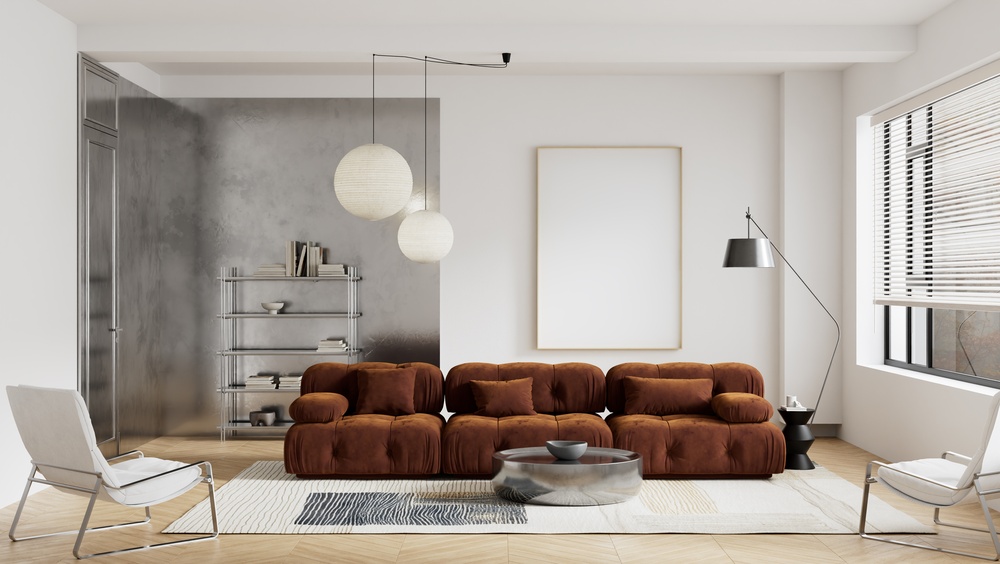
Minimalism’s appeal has never been about aesthetics alone but about intention. Every object earns its place, and that discipline creates rooms that feel settled regardless of the decade. The style draws from Bauhaus principles and mid-century modernism, giving it a lineage that stretches back over a century.
What to look for:
- A restrained, neutral colour palette as the foundation
- Uncluttered surfaces with deliberate negative space
- A small selection of high-quality furniture pieces
- Layered lighting for warmth and depth
- Natural textures like linen, wood, and stone to soften the aesthetic
2. Japandi
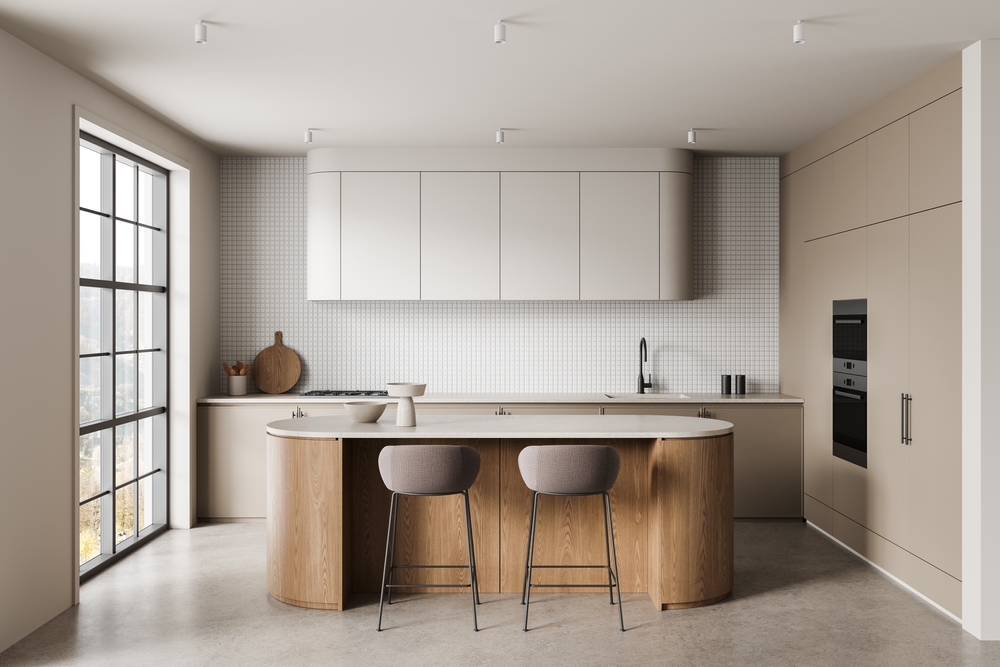
Japandi brings together two design philosophies — Japanese wabi-sabi and Scandinavian hygge — that share a deep respect for simplicity and craftsmanship despite their different cultural origins. The result is a timeless interior design style that feels both grounded and quietly sophisticated.
Hallmarks of the style:
- Handcrafted and natural materials such as rattan, oak, and clay
- A muted, earthy palette of warm greys, soft whites, and terracotta
- Functional furniture with organic, unhurried shapes
- Minimal decoration, with each piece chosen for meaning or utility
3. Contemporary Design
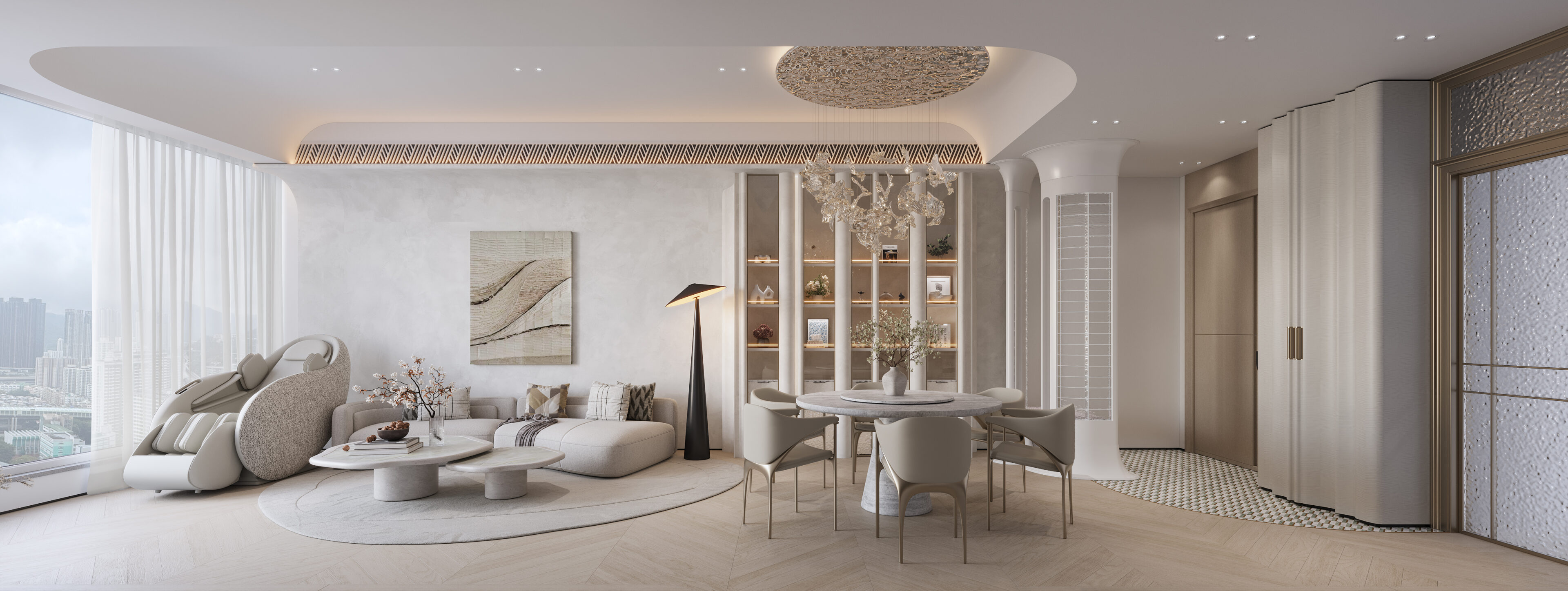
Contemporary design is often mistaken for a fixed aesthetic, but its real strength lies in adaptability. Rather than belonging to a single movement, it borrows selectively from several held together by clean lines, quality materials, and spatial openness. That flexibility is precisely what makes timeless interior design trends like this one perpetually relevant.
Defining characteristics:
- Clean, uninterrupted lines as the visual backbone
- A thoughtful mix of high-quality materials like marble, timber, and polished concrete
- Open spatial flow that connects living areas naturally
- A neutral base with selective, considered accents
4. Transitional Style
Transitional design occupies a considered middle ground between traditional refinement and contemporary ease. It is formal enough to feel polished, yet relaxed enough to feel genuinely liveable, a balance that ages well precisely because it avoids the extremes of either direction.
Elements that define it:
- Warm neutrals like cream, taupe, and soft grey throughout
- Upholstered furniture that balances comfort with structure
- Symmetrical arrangements for visual calm
- A thoughtful blend of traditional and contemporary pieces
5. Biophilic Design
Of all the styles on the list, biophilic design is perhaps the most instinctively understood. It is rooted in something older than aesthetic preference — the human need for connection with the natural world. Research consistently supports the idea that natural light, organic materials, and living elements improve wellbeing, which explains why biophilic interior design ideas resonate so broadly across cultures and generations.
The essentials:
- Maximised natural light through generous glazing
- Raw, organic materials like timber, stone, jute, and terracotta
- Indoor planting, from sculptural specimens to understated greenery
- Earthy, nature-derived colour palettes
Choosing a Timeless Interior Design Style That Works for You
None of the styles above requires reinvention to stay relevant. They work because they are built around human experience — light, comfort, material honesty, and a spatial coherence that outlasts whatever happens to be fashionable this season.
At ARTSTATT Design, our team works closely with each client to create interiors that are refined, human-centric, and built to last. Whether you are drawn to the quiet discipline of minimalism or the warmth of biophilic design, every project receives the same careful approach. Get in touch with us to begin yours.
Frequently Asked Questions
Do timeless interior design styles work in smaller homes?
Many of them, particularly minimalism and Japandi, are especially well-suited to compact spaces because they prioritise spatial efficiency over volume. Proportion and material quality do the heavy lifting.
Can two timeless styles be mixed successfully?
Yes, provided one acts as the lead framework and the other informs specific details or materials. Minimalism and biophilic interior design, for instance, share enough common ground that they blend naturally.
How often does a timeless interior need updating?
Rarely in any significant way. Small design adjustments every few years, such as refreshing soft furnishings or introducing a new texture, are usually all it takes. The key is working within the existing palette rather than against it.