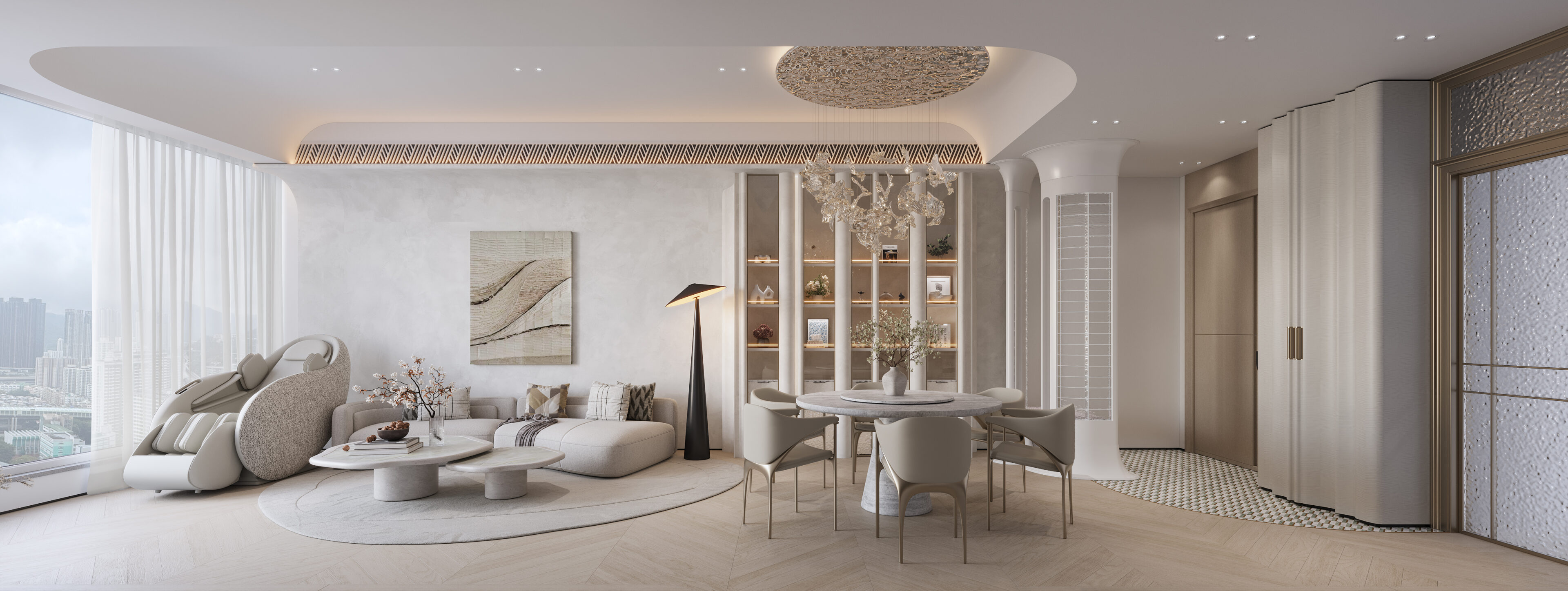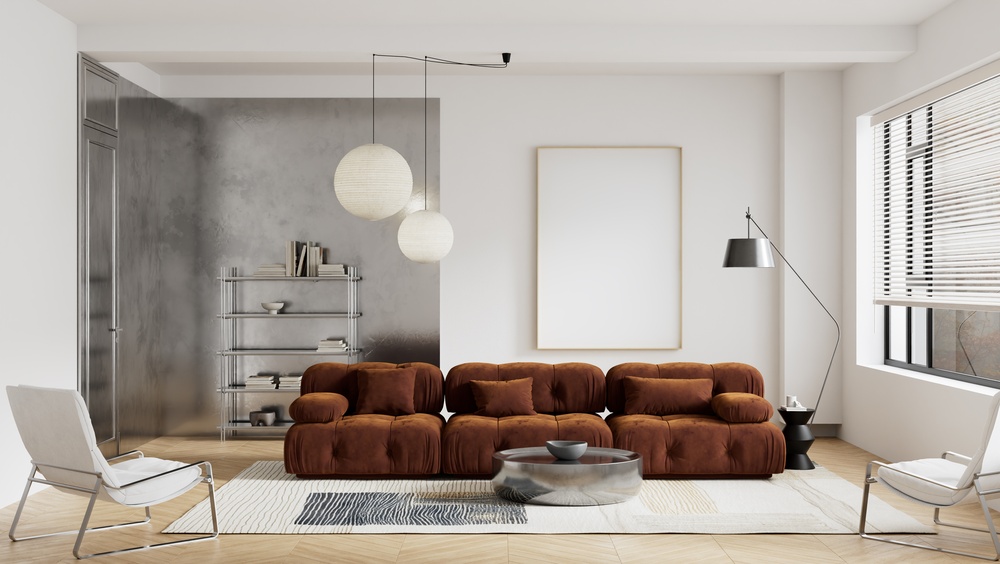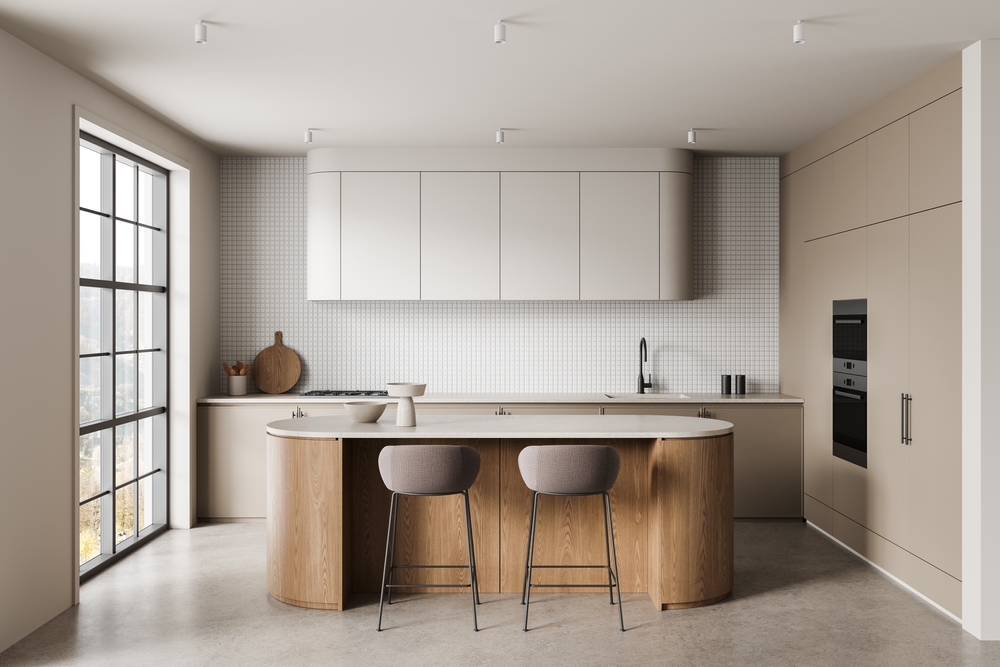
Some interiors stop you the moment you walk in — not because they are loud or lavish, but because they feel exactly right. Light, calm, and unhurried, with every element seemingly in its proper place. That quality is the hallmark of Scandinavian interior design, a tradition born in the Nordic countries of Denmark, Norway, Sweden, and Finland, and shaped by a long-held belief that great design makes everyday life genuinely better.
Whether you are drawn to its quiet simplicity, its warmth, or the considered way it balances form and function, there is much to appreciate and apply in this enduring style.
A Brief History of Scandinavian Interior Design
Scandinavian interior design took shape in the early 20th century, driven by the practical demands of Nordic life. Danish architect Kaare Klint, often called the “father of Scandinavian design,” laid much of the groundwork through his furniture school at the Royal Danish Academy of Fine Arts, with designers such as Arne Jacobsen, Hans Wegner, and Poul Henningsen bringing the style into its golden age from the 1930s onwards.
The term “Scandinavian design” gained global recognition through a travelling exhibition of the same name that toured the United States and Canada between 1954 and 1957. What began as a regional response to climate and necessity had, by then, become one of the most quietly influential design movements in the world.
6 Key Elements of Scandinavian Design
1. Light, Neutral Colour Palettes
Nordic winters are long and dark, which made bright, light-reflecting interiors a practical necessity well before they became an aesthetic choice. Whites, soft greys, warm creams, and muted taupes form the typical foundation, with restrained accents in dusty blue, sage, or terracotta used sparingly.
2. Functional, Well-Crafted Furniture
Every piece earns its place by performing well and, in doing so, looking good. Clean lines, organic shapes, and light woods such as beech, ash, pine, and oak keep the atmosphere bright and uncluttered. Iconic references like Hans Wegner’s Wishbone Chair and Arne Jacobsen’s Egg Chair remain benchmarks of the style: sculptural, functional, and timeless.
3. Daylight, Thoughtfully Maximised
In modern Scandinavian interior design, light is treated as one of the most valuable assets a home can offer. Large windows, open layouts, and minimal window dressing draw daylight in, while layered warm sources like pendants, soft lamps, and the everyday ritual of candlelight carry the warmth through the evening.
4. Natural Materials, Restrained and Honest
Wood, wool, linen, leather, and stone feature consistently among the elements of Scandinavian design, chosen for their tactile quality and ability to age well. A few carefully selected materials are always favoured over an accumulation of surfaces, with longevity and quality taking clear precedence over trend.
5. Warmth Through Texture and Hygge
Hygge (pronounced “hoo-guh”) is the Danish and Norwegian concept of cosiness and contentment, the quality that keeps Scandinavian interior design from ever reading as cold or clinical. It shows up in layered textiles: wool throws, sheepskin rugs, linen cushions, and soft floor coverings that make a room feel physically generous even when it is visually restrained.
6. Lagom: Purposeful Simplicity
Lagom is a Swedish principle meaning “just the right amount”. Think balanced, considered, and never excessive. In practice, it means clear surfaces, breathing room between furniture pieces, and a quiet resistance to over-decorating. The aim is always a space that feels complete, with nothing superfluous and nothing missing.
How to Bring Scandinavian Design into Your Home
Giving your space a modern Scandinavian aesthetic does not require any renovation. A few considered changes can significantly shift the feel of the home’s interior, and the best place to start when it comes to design is always subtraction rather than addition. Here is where to begin:
- Walls: A fresh coat of white or warm off-white immediately opens up a space and sets the right foundation.
- Surfaces: Clear away anything that does not serve a purpose or bring genuine pleasure. Remember, breathing room is part of the aesthetic.
- Lighting: Invest in one quality pendant or floor lamp. A single well-chosen source does more than several decorative ones combined.
- Textiles: Introduce natural fibres one at a time, such as a linen cushion, a wool throw, a jute rug, to build warmth without visual noise.
Your Modern Scandinavian Interior Design Starts Here
Every element in the Scandinavian design points to the same underlying goal: a home that supports daily life with quiet, considered ease. That is the enduring appeal of this interior design — grounded in real need, refined over decades, and as liveable today as it has ever been.
Our creative team at ARTSTATT Design works with clients who want spaces that feel genuinely thoughtful, not just visually polished. If a calmer, more considered home is what you are after, we would love to be part of that conversation. Leave us a message and let’s talk!
Frequently Asked Questions
Is Scandinavian interior design the same as minimalism?
They share certain traits, but Scandinavian design explicitly values warmth and comfort through hygge and lagom, something pure minimalism does not require. Think of it as minimalism with a welcoming soul.
What colours work best in a Scandinavian-style interior?
White and warm off-white are the safest foundations, with soft greys, pale sage, and dusty blue as secondary tones. For colour accents, keep them muted. Terracotta and dusty pink integrate well without disrupting the overall calm.
Which Scandinavian designers or furniture brands should I know about?
Arne Jacobsen, Hans Wegner, Alvar Aalto, and Poul Henningsen remain the key design references. For contemporary brands, HAY, Muuto, and IKEA all offer strong entry points into the style at different price points.